Tindalls Concrete Restoration, LLC
Surface Preparation & Removal
Concrete polishing and grinding transform ordinary slabs into durable, low-maintenance, and visually appealing surfaces ideal for retail, industrial, commercial, and residential spaces. This mechanical process uses diamond tooling to progressively remove surface material, refine the slab, and create a controlled, attractive sheen. At Tindalls Concrete Restoration, LLC., our concrete polishing services are designed to improve durability, reduce dusting, and provide a customizable finish that aligns with your operational and aesthetic goals.
Types of surface profiles and their importance
Surface profile (CSP—concrete surface profile) classification matches substrate texture to the required adhesion characteristics of overlays or coatings. We determine the necessary CSP and achieve it with the appropriate method:
Low CSP (smooth): Often suitable for thin sealers or densified polished finishes.
Medium CSP: Commonly required for thin overlays and some epoxy systems.
High CSP: Required for heavy overlays, cementitious toppings, or areas requiring significant mechanical interlock.
Specialty services: VCT removal and adhesive remediation
VCT removal can be time-consuming and requires attention to adhesive residue that undermines bond. Our process:
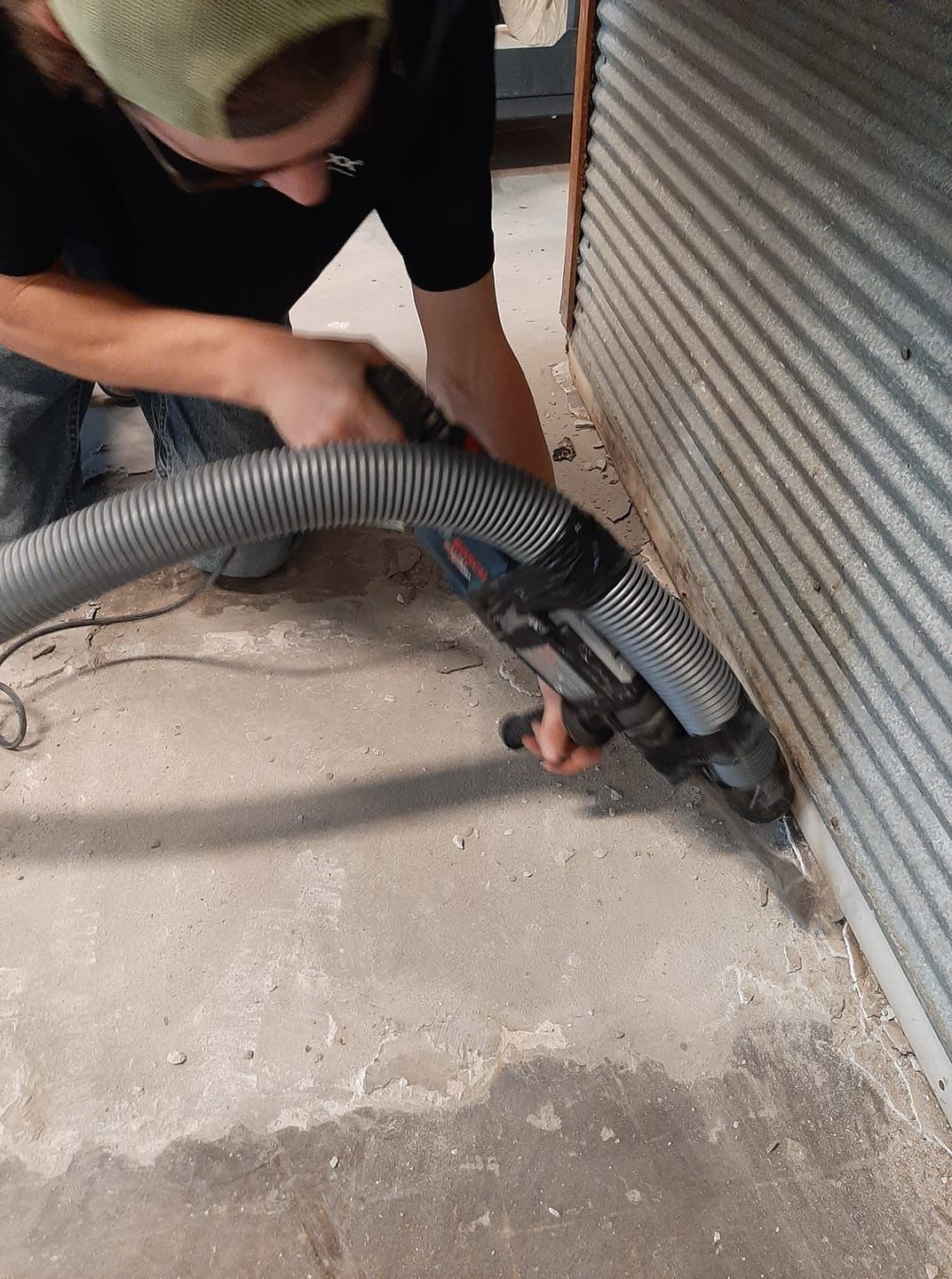
Mechanical removal with grinders and scrapers for resilient flooring and thin-set adhesives.
Shot blasting or diamond grinding for stubborn residues.
Chemical adhesive removal where mechanical methods may harm the slab.
Final cleaning and profiling to manufacturer specifications.
Our surface preparation process
01
Assessment and testing
We identify contaminants, measure moisture vapor emission (MVER) and relative humidity (RH) in slabs, and determine the existing surface profile.
02
Selection of method
Based on substrate conditions and end-use, we choose grinding, shot blasting, scarifying, or hydrodemolition to achieve the specified CSP.
03
Removal work
Execute the removal of adhesives, coatings, or old toppings using targeted methods to minimize damage and optimize productivity.
04
Final profiling and cleanup
Vacuuming, dust control, and verification of surface profile ensure readiness for the next step—repair, coating, or overlay.
Why surface preparation matters
The performance and longevity of coatings, overlays, and repairs depend heavily on surface condition. Poor adhesion, blistering, delamination, and early failure often originate with inadequate preparation. Achieving the right surface profile, removing contaminants, and ensuring dryness are prerequisites for manufacturer warranties and for durable installations.
Dust control and safety
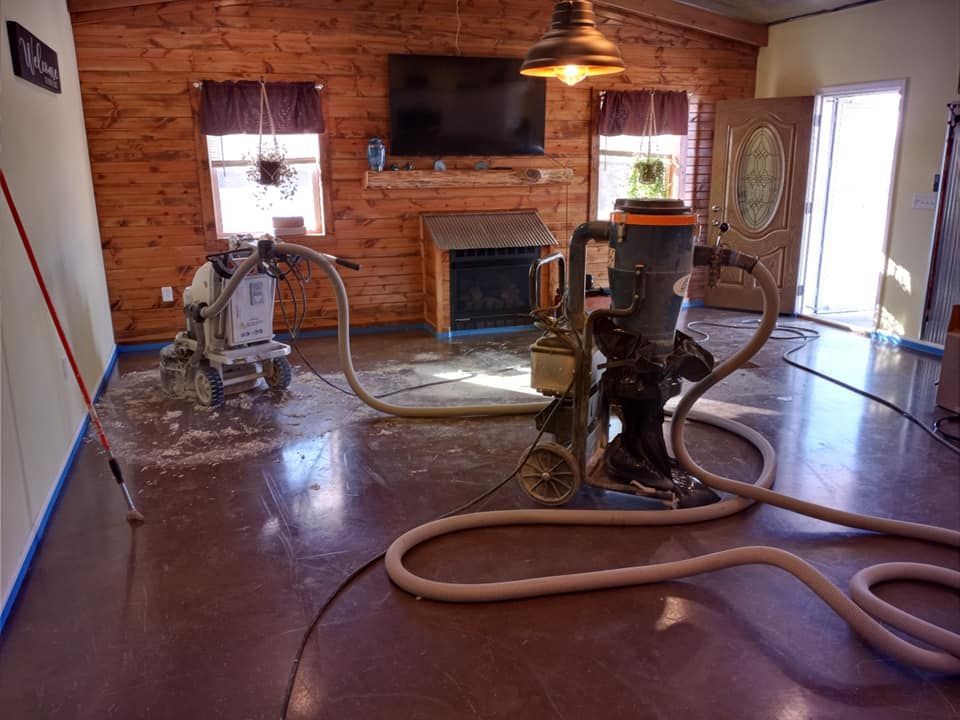
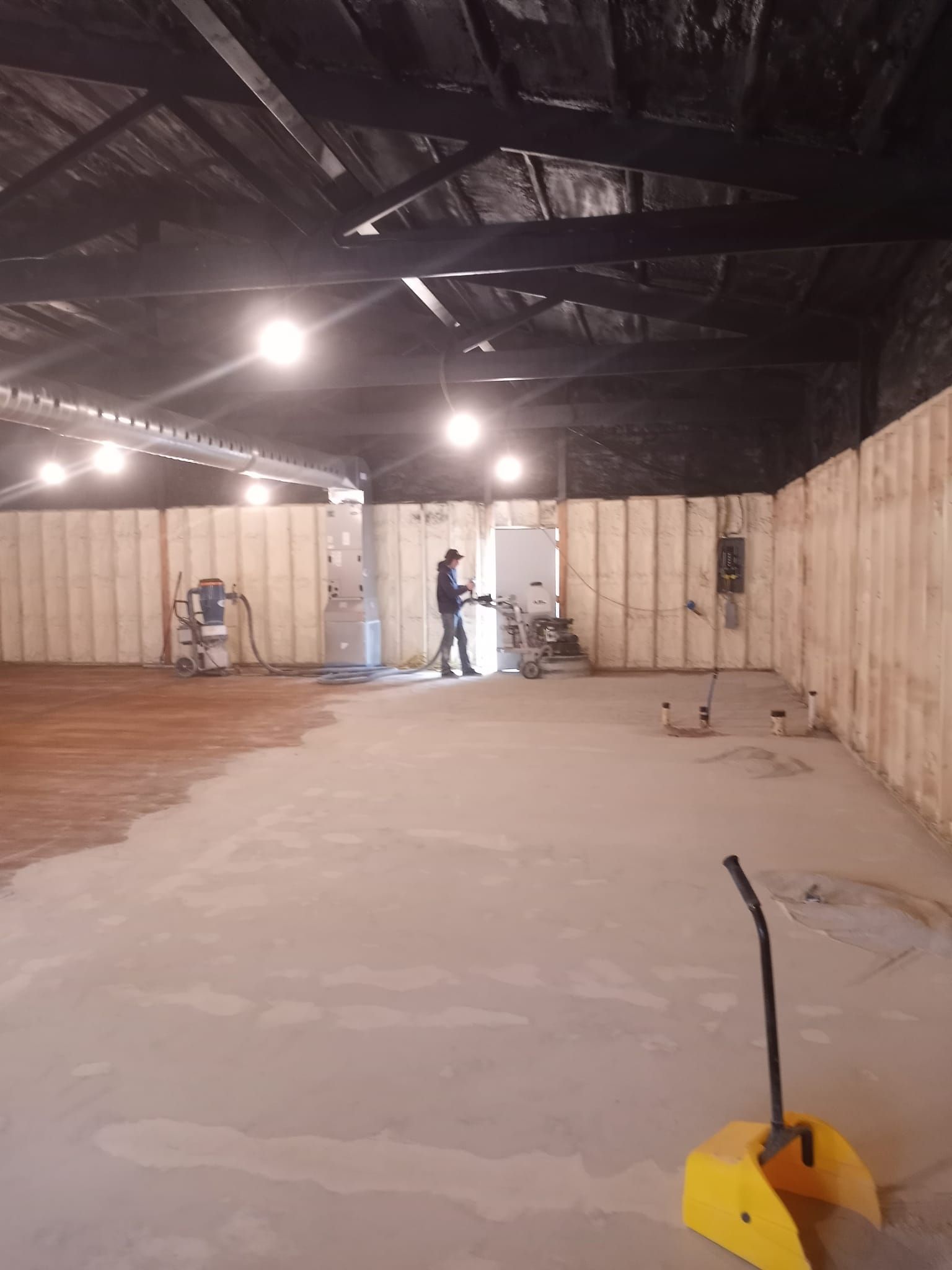
Surface prep can produce significant dust and debris. We deploy dust extraction systems, HEPA vacuuming, and containment barriers to protect occupants and comply with indoor air quality requirements. Safety measures include PPE, traffic control, and floor signage during and after work.
Moisture testing and mitigation
Before coatings or overlays are applied, we perform moisture testing to ensure compatibility. If MVER or RH readings exceed allowable limits, we recommend and install moisture mitigation systems, vapor barriers, or select coatings designed for high-moisture conditions.
Why professional preparation saves money
Investing in proper surface prep prevents early coating failures, reduces rework costs, and protects owner investments. Manufacturer warranties often require documentation of the achieved surface profile and moisture testing—professional preparers provide these records, ensuring compliance and peace of mind.
Selecting the right preparation technique
Diamond grinding
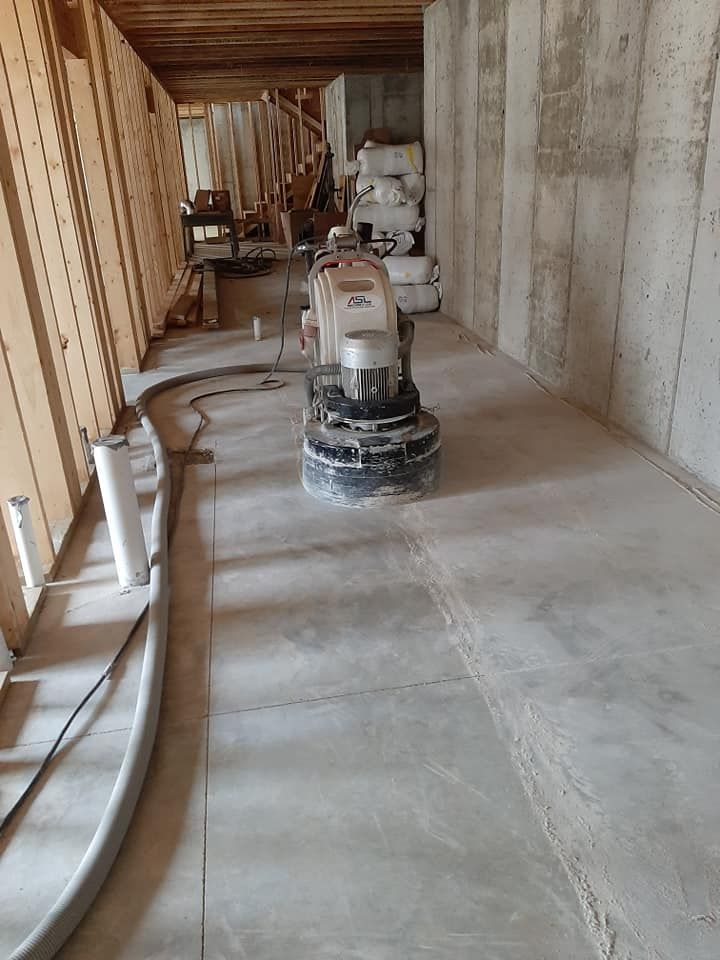
Ideal for smoothing, removing thin toppings, and preparing slabs for polishing. It produces a refined profile suitable for densification and polish.
Shot blasting
Aggressive mechanical profile for medium to high CSP levels—excellent for removing thin coatings and achieving a mechanical bond.
Scarifying
Removes thicker materials and creates a rough profile in heavy-duty industrial settings.
Hydrodemolition
Selective removal without damaging reinforcement—useful in structural restoration work.
Common preparation and removal tasks
VCT and flooring removal: Removing old vinyl composition tile (VCT) and adhesive residues to expose sound concrete.
Grinding and diamond grinding: Mechanically removing toppings, coatings, and surface contaminants while producing a controlled profile.
Shot blasting: Aggressive surface profiling for adhesive bonding in medium to heavy-duty applications.
Scarifying and scarab work: Removing thick layers or adhesives in heavy industrial conditions.
Hydrodemolition: Using high-pressure water to remove deteriorated concrete while minimizing impact to reinforcement where precise removal is required.
Chemical stripping: Using solvents or chemical strippers to remove adhesives in sensitive situations where grinding may not be desirable.
Case studies and examples
Retail remodel: Complete VCT and adhesive removal, diamond grinding to a medium CSP, and final polishing prior to epoxy overlay installation.
Industrial upgrade: Shot blasting and scarifying old toppings to prepare for a high-build epoxy system that resists heavy forklift traffic.
Historic renovation: Careful mechanical removal of poor-quality overlay followed by precision grinding to restore original concrete details for polishing and sealing.
Frequently asked questions (FAQs)
How long does surface preparation take?
It depends on substrate size, adhesion of existing materials, and chosen method. Small areas might be prepped in a day; larger commercial spaces may take several days for complete removal and profiling.
Will preparation damage surrounding areas?
We use containment, protective covers, and dust control to minimize impact. For delicate adjacent surfaces, we employ less aggressive methods or protective measures.
Can you prepare surfaces for immediate coating application?
Yes. We coordinate preparation and coating timelines so owners can apply coatings within manufacturer-recommended windows for optimal adhesion.
How to request surface preparation services
GET IN TOUCH
- Call (618) 303-3343 for a site assessment and initial consultation.
- We’ll perform moisture testing and a surface condition report.
- Receive a preparation plan, profile target, and schedule for work.
Tindalls Concrete Restoration, LLC.